

 Culture
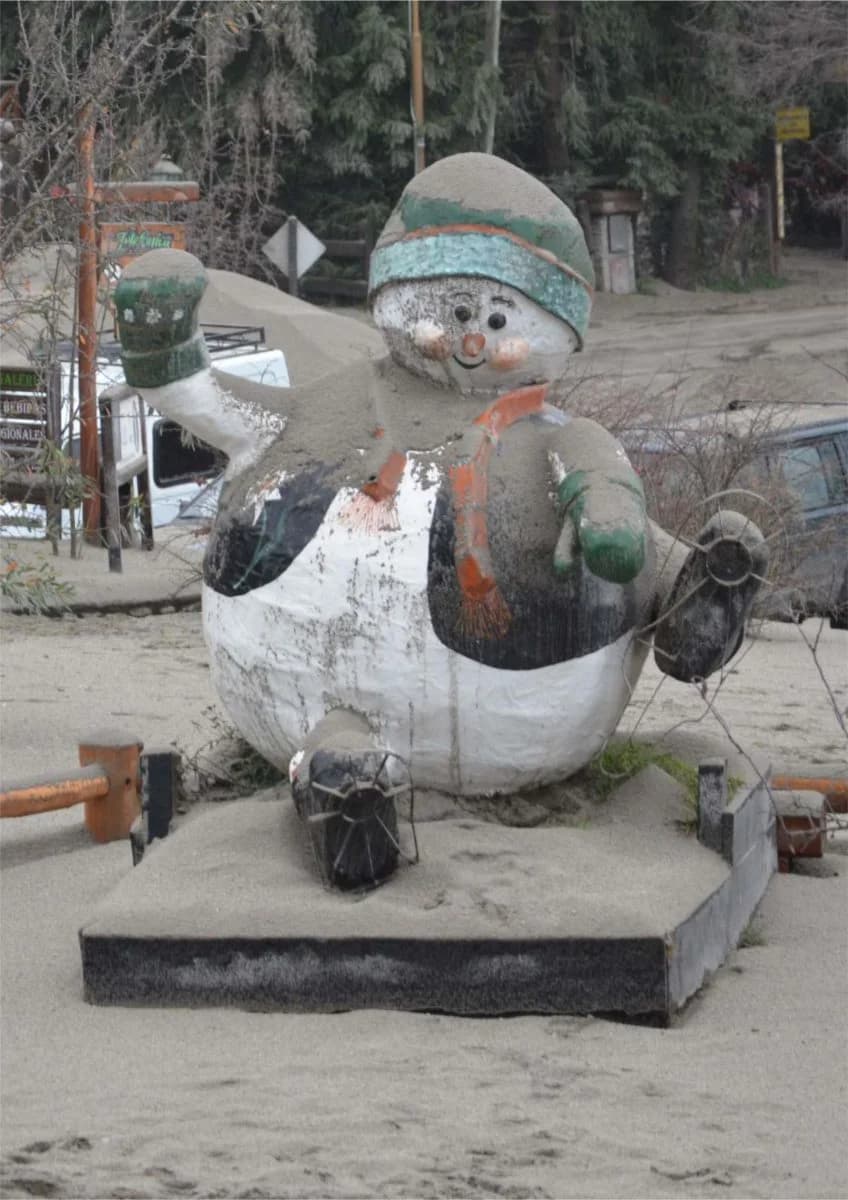
Circuito El Camino del Volcán
Six stops between Plaza San Martín and the historic quarter telling the story of the 2011 eruption.
Easy · All year
Attraction · Culture
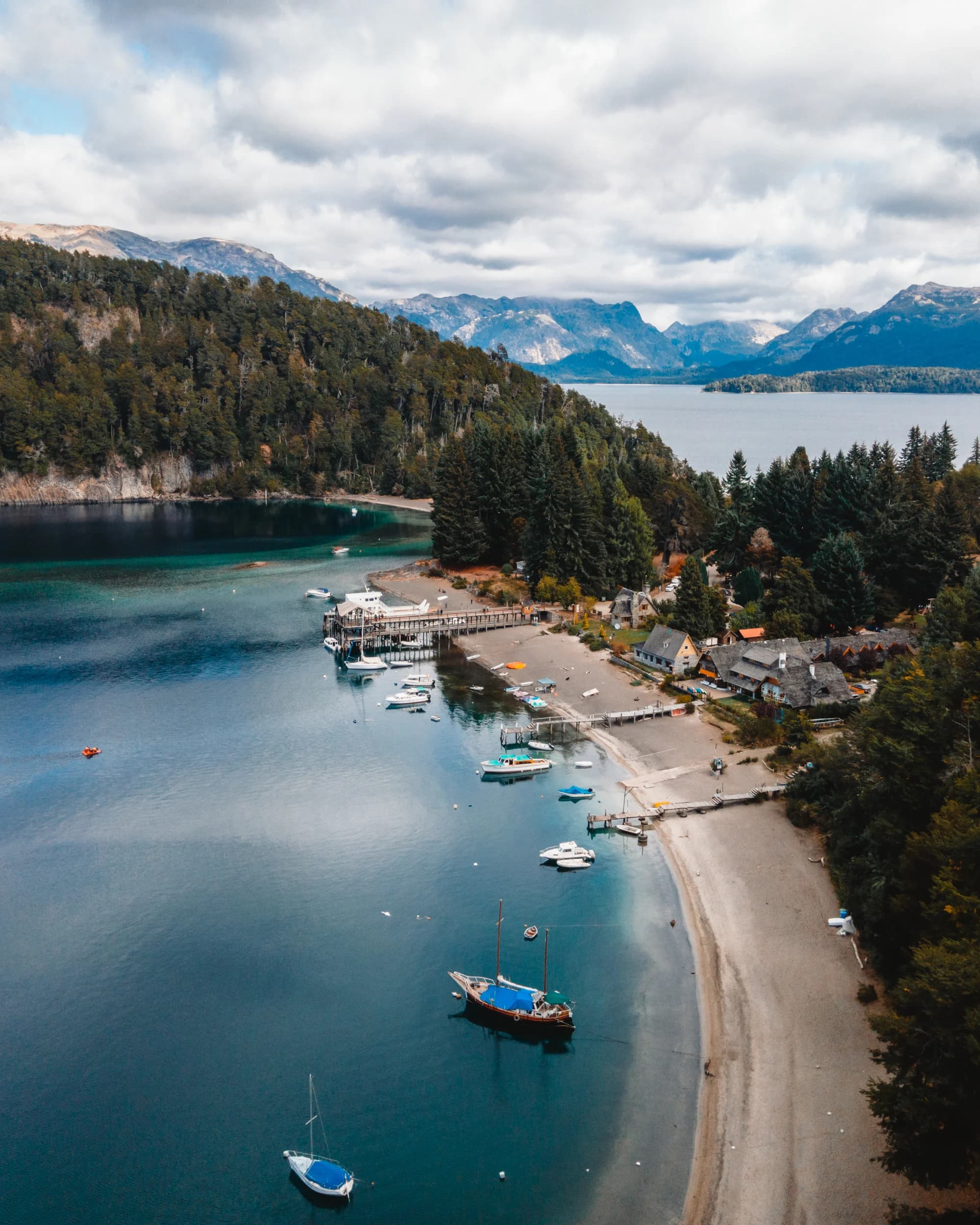
The founding quarter: the church, old stone and timber buildings, and the origins of Villa La Angostura.
Foto: Gustavo Arias
The name Villa La Angostura comes from the geography: the narrow join between the shoreline and the peninsula, across the Quetrihué isthmus, where the entrance to Los Arrayanes National Park is.
This area is one of the main attractions, not only for the landscape but because it is where Villa La Angostura began. There are visitor services too: places to eat and bike, canoe and boat rental.
The buildings on the circuit bear witness to the styles that marked the region: the vernacular, in the Marimon house, and the style of the National Parks buildings. They can be seen on a short walk and are identified with signage.
From the centre, along Boulevard Nahuel Huapi, the first on the right is the Nuestra Señora de la Asunción chapel, built in 1936 by the architect Alejandro Bustillo: its stained glass and a Way of the Cross on ceramic panels stand out. Opposite, on the left, is the entrance to El Messidor, from 1942, the official residence of the governor of Neuquén.
On the same side, 50 metres on, are School 104 and the headmaster's house, by Bustillo, built between 1936 and 1938 and now a camp facility. Opposite stands the Hotel Angostura, the first that National Parks built, in 1938. On the dirt street running off the boulevard are the first private houses and the first first-aid post, now shops.
Back on the boulevard, on the left, the Old Power Station, home to the Municipal History Museum; then the National Parks office, from 1936, and the Modesta Victoria pier, from 1937. On the way to the isthmus, on the right, the former post office, now the coastguard station, and the Justice of the Peace court, from 1936. On the corner, the Club Social y Deportivo La Angostura, from 1939, now a restaurant, and the old La Flecha store, from 1938, turned into a place to stay.
You can follow the circuit with the Regional History Museum's audio guide: nine stops starting at the main square.
Ideal for
Attractions
CultureSix stops between Plaza San Martín and the historic quarter telling the story of the 2011 eruption.
Easy · All year
 Culture
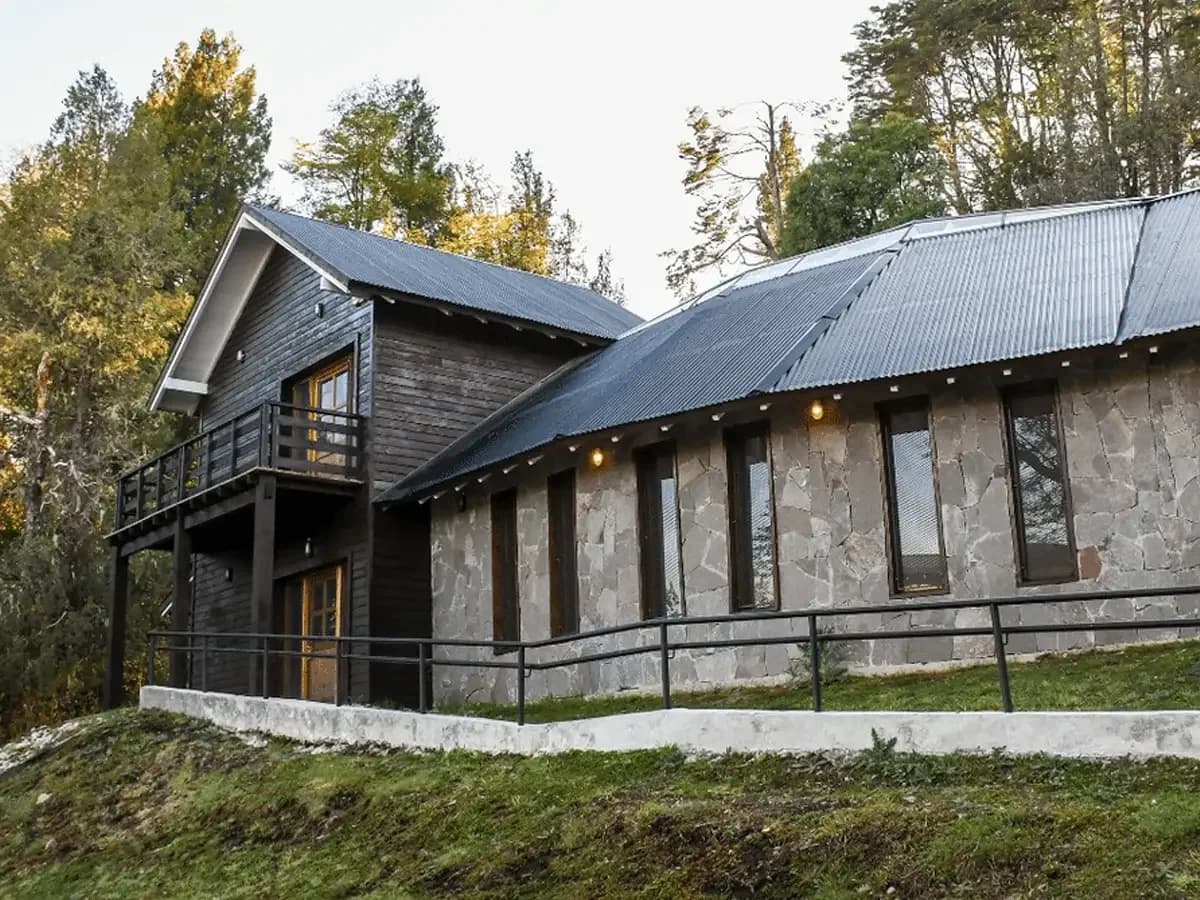
A contemporary art space with rotating shows by local and Argentine artists.
Easy · All year
 Culture
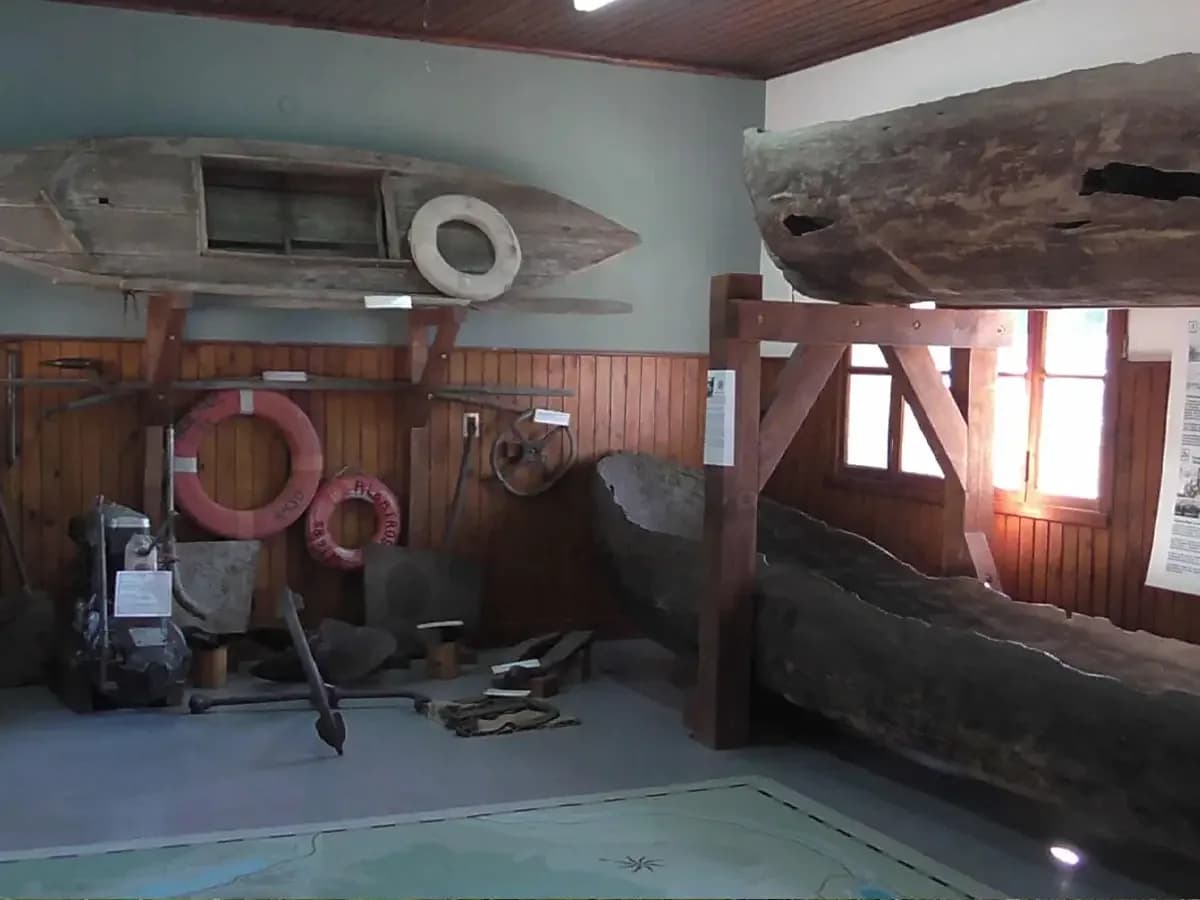
The history of Villa La Angostura and the region: indigenous communities, European settlement and the creation of the National Park.
Easy · All year